DocketBuddy Security
DocketBuddy uses encrypted transport and storage, scoped account controls, audit-oriented activity records, and documented subprocessors to support law-firm workflows.
- Evidence
- current product guide
- Reviewed
- Aug 13, 2026
- Review note
- The described scope, product boundary, and evaluation path were checked against the current DocketBuddy build.
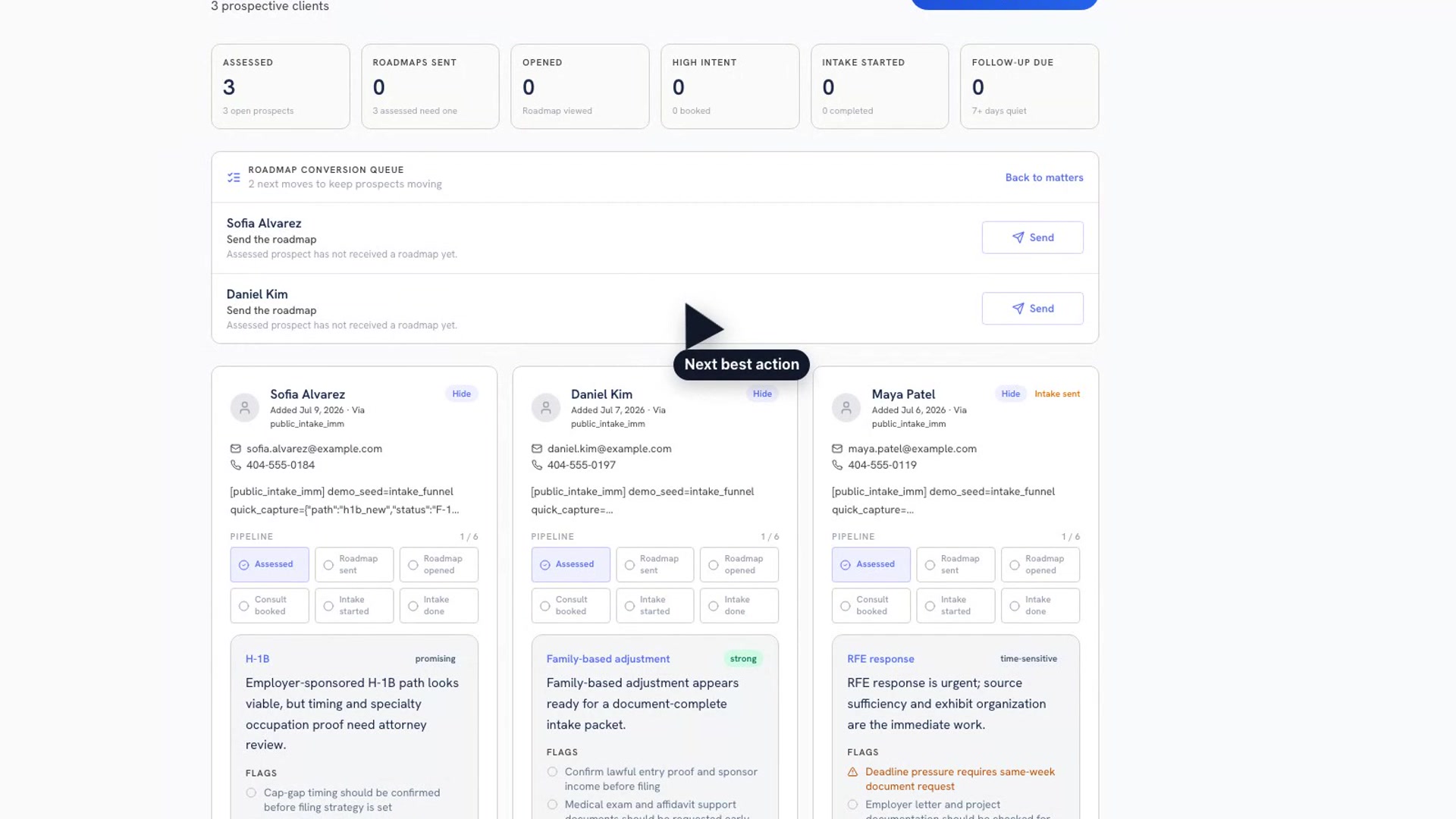
Fictional sample data shown; no client information
Current capability record
DocketBuddy Security is designed for repeated small-firm use with a visible record of what is ready, what is missing, and what belongs to the attorney. These jobs are represented in the current public product and sample paths.
- TLS in transit and AES-256 storage controls
- Supabase authentication and row-level access controls
- Two-factor and policy gates for attorney accounts
- Scoped client portal and tenant-aware API checks
- Public security and privacy documentation
Attorney control and scope
No software eliminates all risk. Firms remain responsible for account administration, device security, permissions, retention choices, and professional obligations.
How to evaluate it
Use a fictional or closed matter first. Confirm that the input, source state, open exception, attorney boundary, and resulting record remain visible. Then verify the firm's practice, jurisdiction, review standards, communications, and staff responsibilities before moving live client work.
Questions
What problem does DocketBuddy Security solve?
DocketBuddy uses encrypted transport and storage, scoped account controls, audit-oriented activity records, and documented subprocessors to support law-firm workflows.
What still requires attorney review?
No software eliminates all risk. Firms remain responsible for account administration, device security, permissions, retention choices, and professional obligations.